Countertops · Quartzite
Quartzite Countertops
Quartzite is a premium natural stone — often harder than granite — that offers the soft, flowing look of marble with far greater durability. It is a favorite for high-use kitchen surfaces and dramatic waterfall islands.
How quartzite performs
The honest pros and cons.
General material facts the way buyers research them — so you can match the right surface to the right room before you commit.
- Durability
- Excellent — among the hardest natural countertop stones, very scratch- and heat-resistant.
- Maintenance
- Moderate — porous, so it should be sealed at installation and resealed periodically.
- Heat resistance
- Excellent — tolerates hot cookware well; trivets still help protect the sealer.
- Cost
- Typically about $60–$150+ per sq ft installed (typical market range, not a GBC quote); exotic slabs sit at the top of the range.
Pros
- Harder than granite — exceptionally scratch- and heat-resistant
- Marble-like elegance with natural-stone durability
- Every slab is unique, ideal for statement islands
- Holds up well to heavy daily kitchen use
Things to know
- Porous — needs sealing at installation and periodic resealing
- Premium pricing, often above granite and many quartz lines
- Some softer slabs sold as "quartzite" are partly marble and etch — verify the slab
- Hard, dense stone makes fabrication and installation more demanding
Best for
Homeowners who love the look of marble but need a tougher, more heat-resistant surface for a hard-working kitchen.
See it in stone
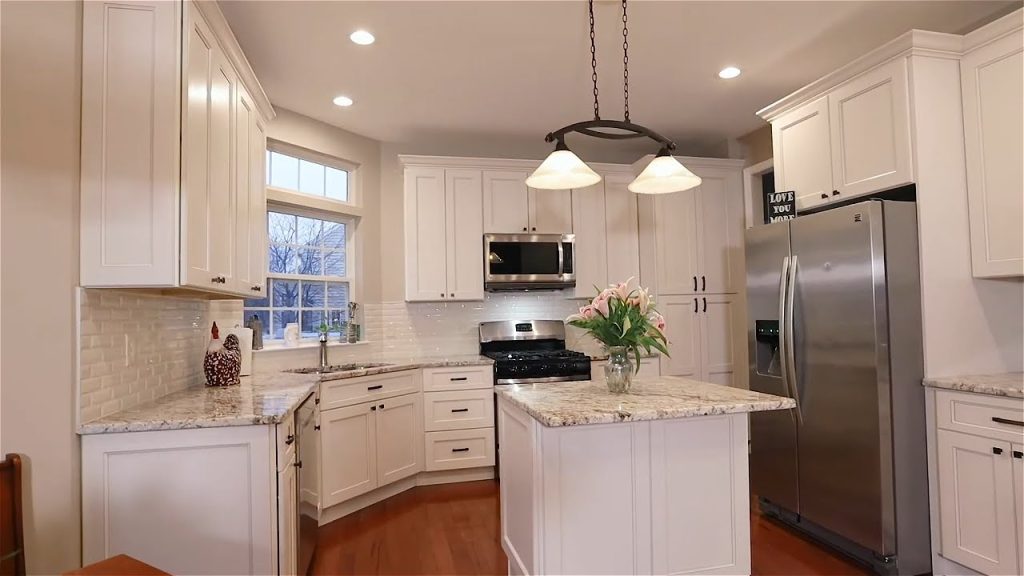
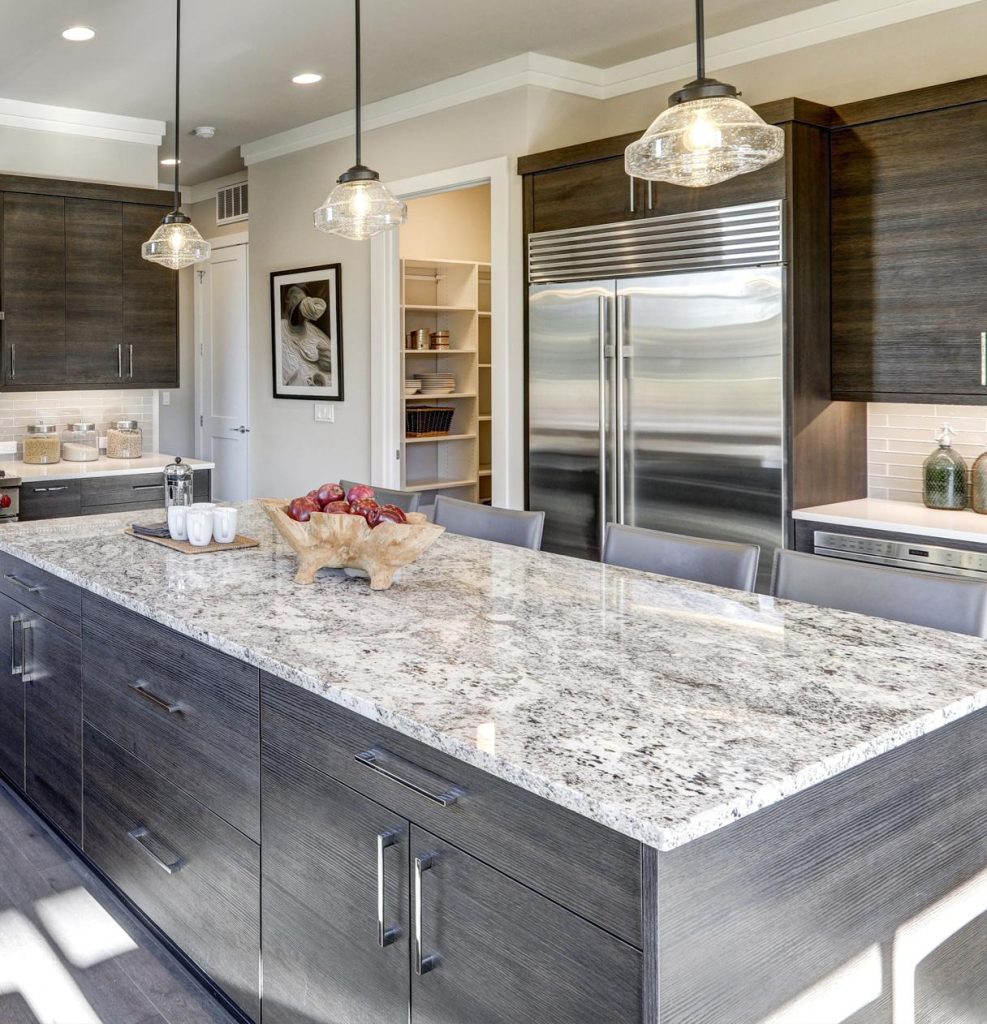
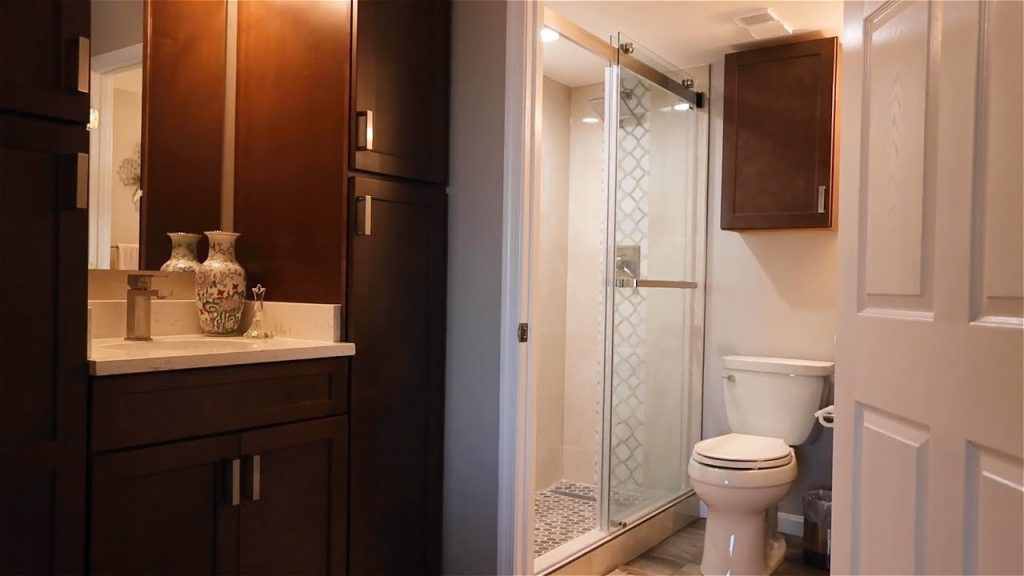
Quartzite in real kitchens & baths
Good to know
Quartzite countertops: common questions
Is quartzite harder than granite?
Genuine quartzite is typically as hard as or harder than granite, which makes it very scratch-resistant. Hardness can vary by slab, so it is worth confirming the specific stone, since some material sold as quartzite is actually softer and behaves more like marble.
What is the difference between quartzite and marble?
Both are natural stones with a similar flowing look, but quartzite is much harder and more resistant to scratching and etching, while marble is softer and etches from acids such as lemon juice or wine. Quartzite is generally the better choice for heavy-use kitchens.
Does quartzite need to be sealed?
Yes. Quartzite is a porous natural stone, so it should be sealed when installed and resealed periodically to resist stains. Sealing frequency depends on the specific slab and how heavily the surface is used.
Is quartzite good for kitchen countertops?
Quartzite is an excellent kitchen surface: it combines marble-like beauty with hardness and heat resistance that exceed most other natural stones. The main trade-offs are its premium price and the need for periodic sealing.
Our designers fabricate and install quartzite in our own modern plant — and can help you match the right stone to the right room. Talk to a specialist before you commit.
Let's Get Started
We’re here to transform
your house.
Get a free consultation with our design experts. Visit one of our four showrooms or schedule a virtual meeting today.