Countertops · Quartz
Quartz Countertops
Quartz is an engineered surface made from ground natural stone bound with resin. The result is non-porous, never needs sealing, and comes in hundreds of consistent colors and patterns — including convincing marble looks — making it one of the most popular low-maintenance choices.
How quartz performs
The honest pros and cons.
General material facts the way buyers research them — so you can match the right surface to the right room before you commit.
- Durability
- Excellent — extremely hard and scratch-resistant; one of the most forgiving everyday surfaces.
- Maintenance
- Very low — non-porous, so it never needs sealing; clean with mild soap and water.
- Heat resistance
- Moderate — resin binder can scorch or discolor under high heat, so always use trivets.
- Cost
- Typically about $50–$120+ per sq ft installed (typical market range, not a GBC quote), depending on brand, color and thickness.
Pros
- Non-porous — never needs sealing and resists staining
- Highly consistent color and pattern, including marble-look options
- Very durable and scratch-resistant for daily use
- Hundreds of colors and finishes to choose from
Things to know
- Less heat-tolerant than natural stone — hot pans can scorch the resin
- Prolonged direct sunlight can cause some colors to fade over years
- Looks engineered up close rather than showing true natural veining
- Premium designer lines can cost as much as natural stone
Best for
Busy kitchens that want a hard-wearing, stain-resistant surface with predictable color and essentially zero sealing or upkeep.
Popular options
Leading quartz brands
See it in stone
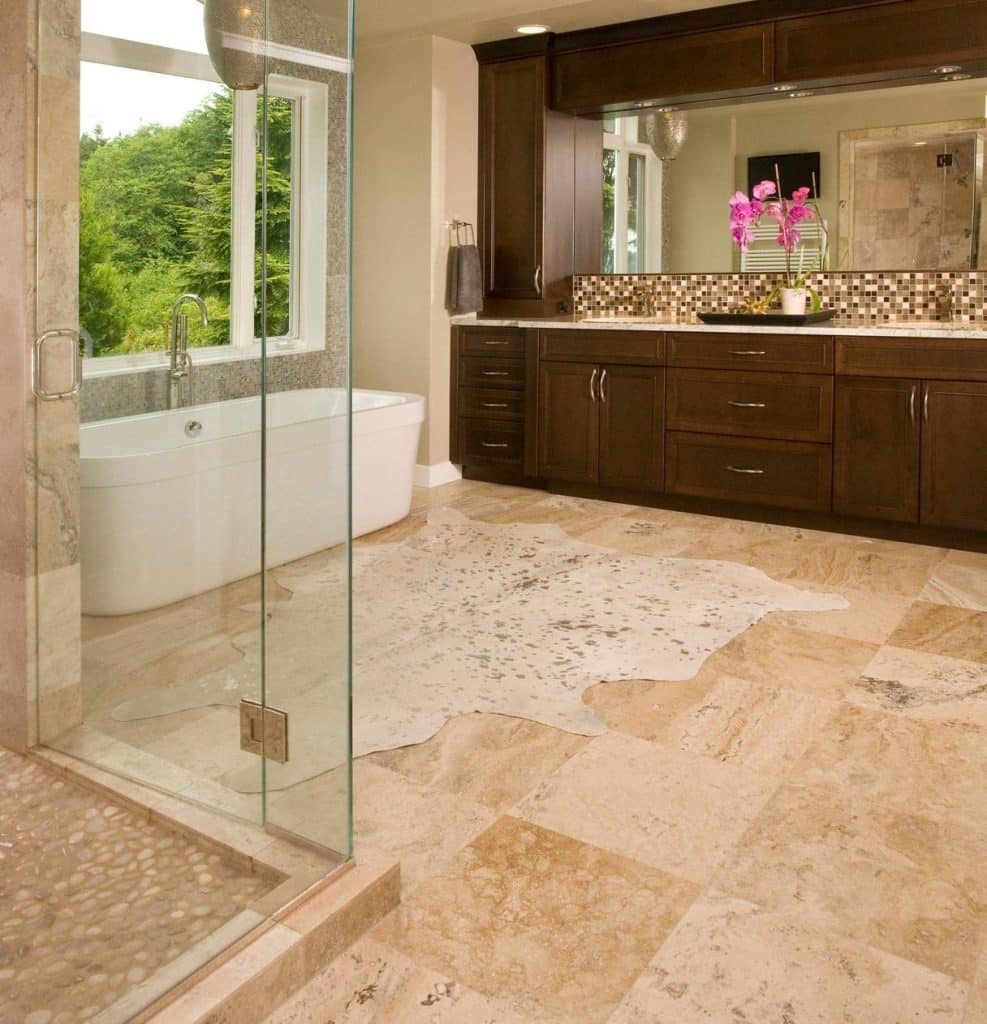
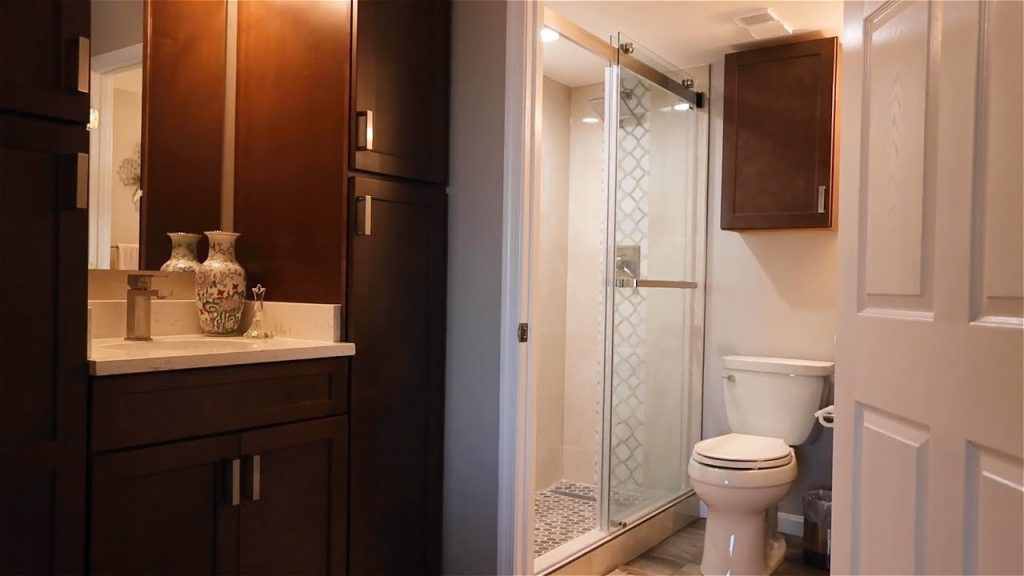
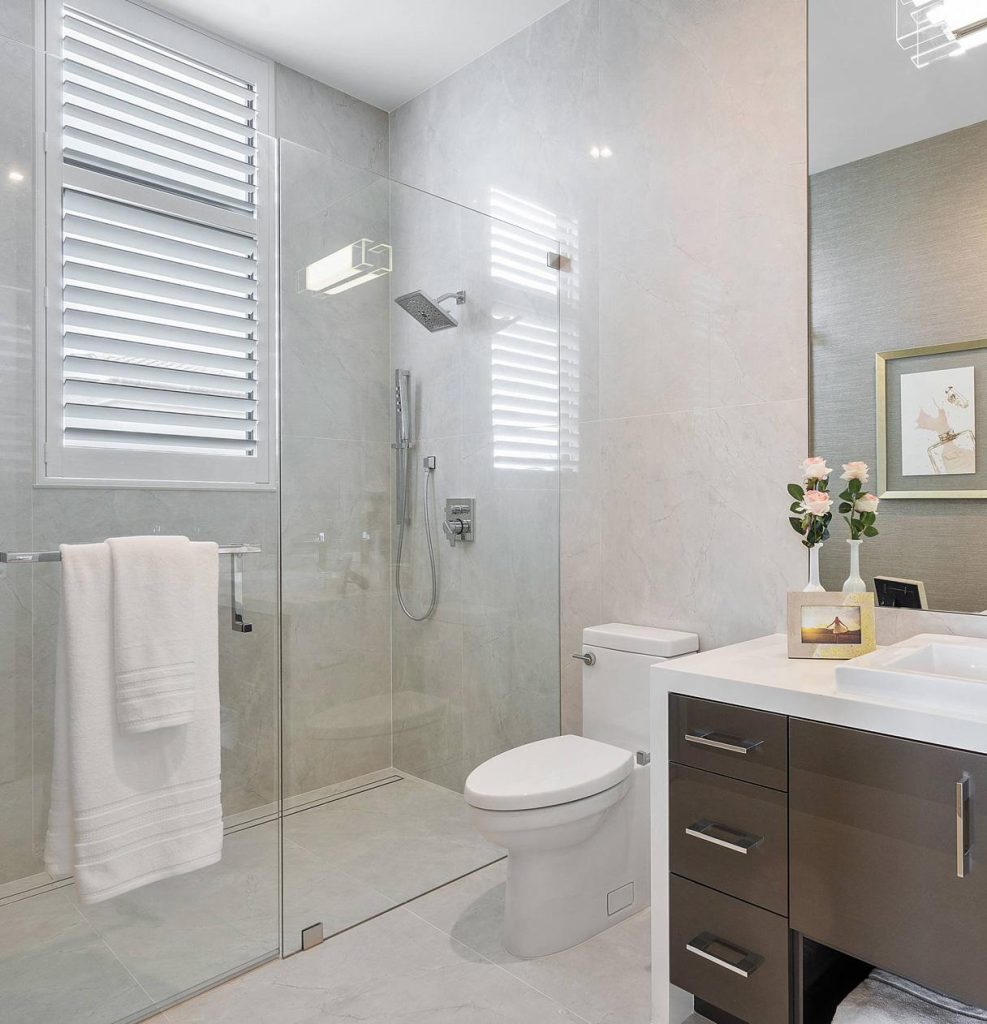
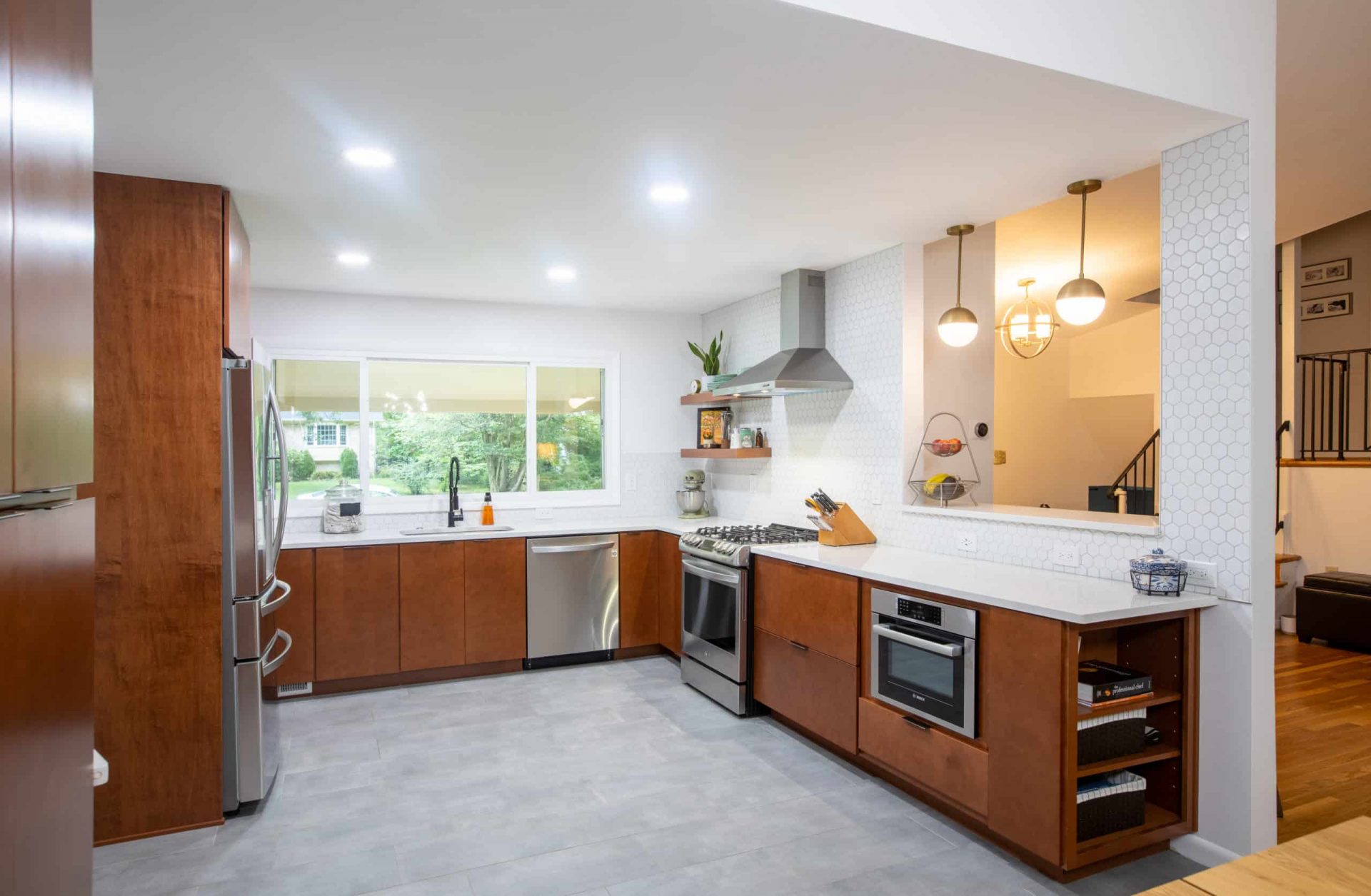
Quartz in real kitchens & baths
Good to know
Quartz countertops: common questions
Do quartz countertops need to be sealed?
No. Quartz is non-porous, so it never needs sealing. That is one of its biggest advantages over natural stones such as granite, marble and quartzite, which are porous and require periodic resealing.
Is quartz the same as quartzite?
No — the names are similar but the materials are different. Quartz is an engineered product made from ground stone and resin, while quartzite is a 100% natural stone quarried in slabs. Quartzite is harder and more heat-resistant; engineered quartz is non-porous and lower-maintenance.
Can you put hot pans on quartz countertops?
It is not recommended. The resin that binds engineered quartz can scorch, discolor, or crack from sudden high heat, so you should always use trivets or hot pads. Natural stones like granite and quartzite handle heat better.
How do you clean and maintain quartz countertops?
Quartz is very low-maintenance: clean it with mild dish soap and warm water, and wipe up spills promptly. Avoid abrasive pads and harsh chemicals such as bleach or high-pH cleaners, which can dull the finish over time. No sealing is ever required.
Our designers fabricate and install quartz in our own modern plant — and can help you match the right stone to the right room. Talk to a specialist before you commit.
Let's Get Started
We’re here to transform
your house.
Get a free consultation with our design experts. Visit one of our four showrooms or schedule a virtual meeting today.