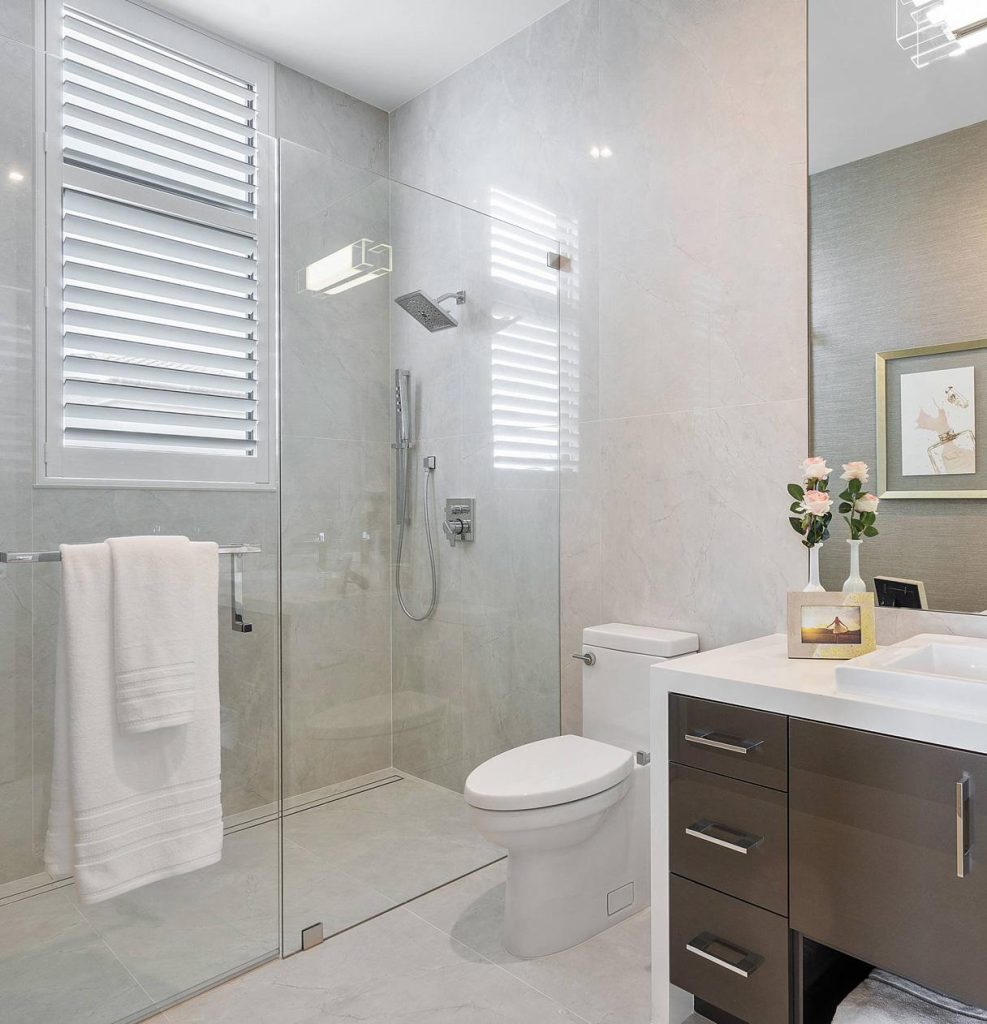
Countertops · Marble
Marble Countertops
Marble is the timeless luxury stone — soft, luminous, and instantly recognizable for its flowing veins. It brings unmatched elegance to kitchens and baths, with the understanding that it is a softer natural stone that develops a lived-in patina over time.
How marble performs
The honest pros and cons.
General material facts the way buyers research them — so you can match the right surface to the right room before you commit.
- Durability
- Good — softer than granite and quartzite; can scratch and etch, develops a patina with use.
- Maintenance
- Higher — porous and acid-sensitive, so it needs regular sealing and prompt spill cleanup.
- Heat resistance
- Good — naturally heat-resistant, though thermal shock and hot pans can mark the surface; use trivets.
- Cost
- Typically about $60–$200+ per sq ft installed (typical market range, not a GBC quote); rare and exotic marbles reach the top of the range.
Pros
- Timeless, luxurious look with naturally bright, flowing veining
- Every slab is unique and adds resale appeal
- Naturally cool surface — long favored by bakers
- Ages into a soft patina many homeowners prize
Things to know
- Soft and porous — scratches and etches more easily than other stones
- Sensitive to acids (lemon, wine, vinegar), which can dull the finish
- Needs regular sealing and attentive day-to-day care
- Among the highest-maintenance of the premium countertop materials
Best for
Homeowners who prize timeless beauty and a natural patina, and are comfortable with the upkeep — often ideal for baths, vanities, and lower-traffic surfaces.
See it in stone
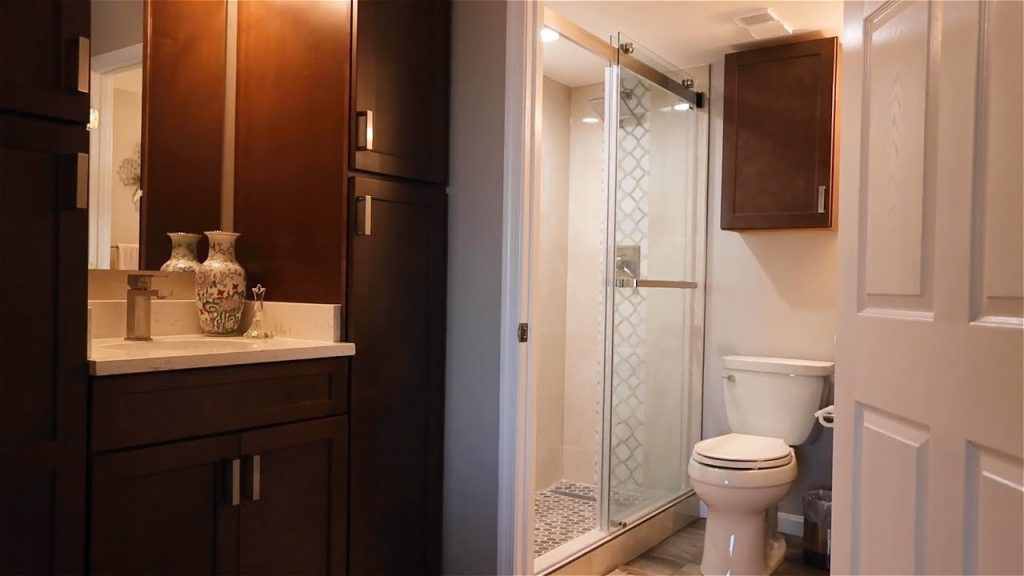
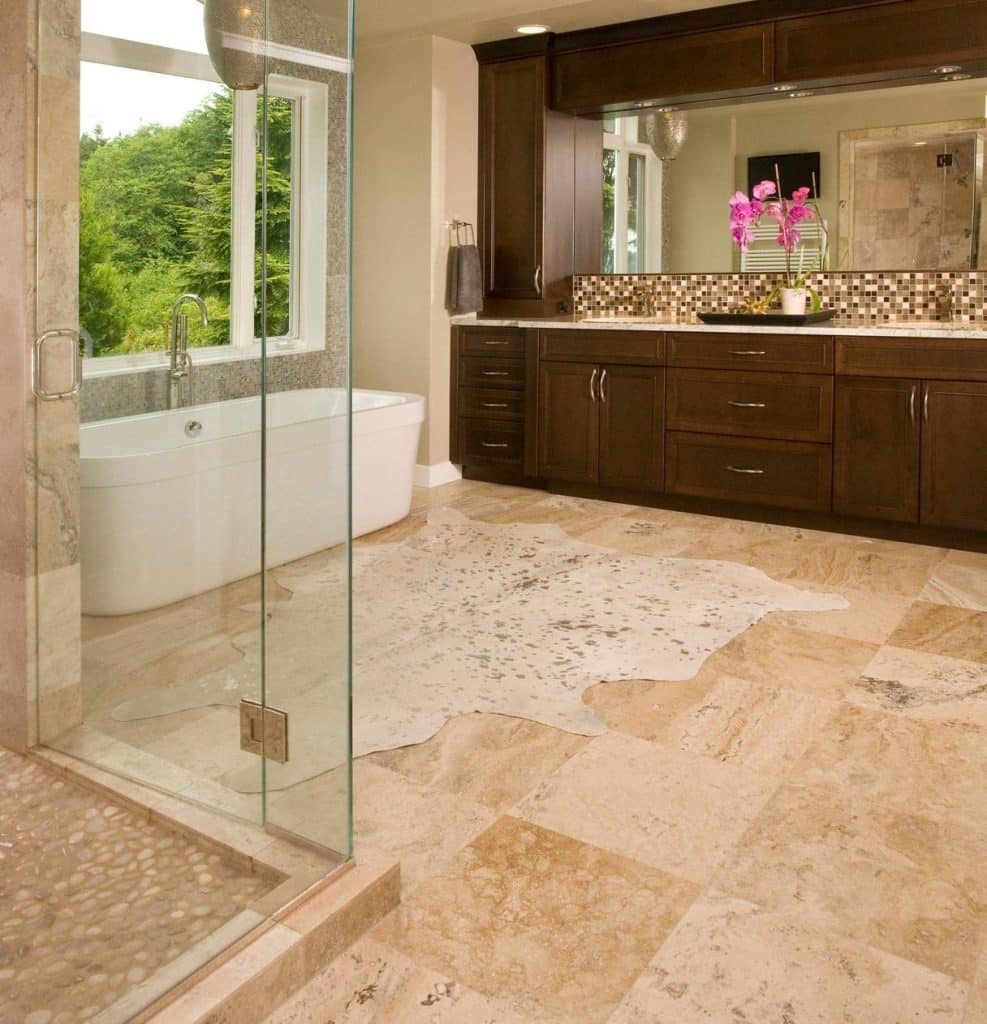
Marble in real kitchens & baths

Good to know
Marble countertops: common questions
Do marble countertops scratch and stain easily?
Marble is softer and more porous than granite or quartzite, so it is more prone to scratching and to staining if spills are not wiped up promptly. Sealing helps, and many homeowners embrace the natural patina that develops with everyday use.
What is etching on marble?
Etching is a dull, lighter mark left when an acid — such as lemon juice, wine, vinegar, or some cleaners — reacts with the calcium in marble. It is a chemical reaction, not a stain, so it cannot be sealed out entirely; prompt cleanup and acid-free cleaners reduce it.
Is marble a good choice for kitchen countertops?
Marble can be a beautiful kitchen surface, but it requires more care than granite, quartzite, or engineered quartz because it scratches and etches more easily. It is often a great fit for bathrooms, vanities, and lower-traffic areas, or for homeowners who welcome a lived-in look.
How do you care for marble countertops?
Seal marble regularly, wipe up spills — especially acidic ones — right away, and clean with a pH-neutral stone cleaner rather than vinegar or harsh chemicals. Using cutting boards and trivets protects the surface from scratches and heat marks.
Our designers fabricate and install marble in our own modern plant — and can help you match the right stone to the right room. Talk to a specialist before you commit.
Let's Get Started
We’re here to transform
your house.
Get a free consultation with our design experts. Visit one of our four showrooms or schedule a virtual meeting today.